When Water Damage Hits Your Floors in New Albany, IN: Here’s What to Do First
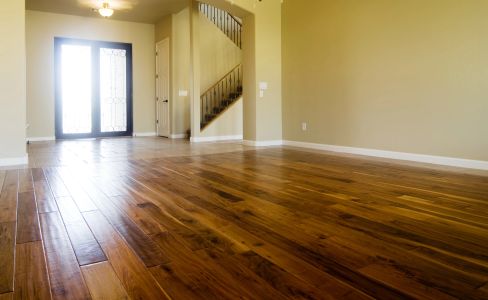
Water on your floors can spread fast, especially with our Ohio River humidity. The smartest first move is to bring in a proven local team that specializes in water damage cleaning in New Albany, IN. At Advanced Carpet Cleaning, we move quickly to protect your floors, structure, and indoor air quality, then build a plan that fits your home and schedule. If you need immediate help, call 502-356-8432 and we will get you on the calendar fast.
Want to see how our process works from start to finish? Explore our detailed approach to water and flood damage cleaning and learn what to expect when our crew arrives.
Why Fast Water Damage Cleaning Matters In New Albany, IN
In Southern Indiana, heavy spring rains, summer storms, and winter pipe bursts can all leave water where it should not be. Homes near Downtown New Albany, Silver Hills, and along creek low spots are especially vulnerable when drains back up or sump pumps fail. The longer water sits, the more it seeps into carpet pads, subfloors, and baseboards.
The first 24 to 48 hours are critical. Rapid emergency water extraction and controlled drying limit floor swelling, staining, and musty odors. It also reduces the chance of secondary damage in nearby rooms that still look dry on the surface.
Local insight: Our river valley humidity slows natural evaporation. That means wet carpet and hardwood in New Albany can stay damp longer without professional airflow and dehumidification. For safety, avoid any area where the ceiling is sagging or power sources are in standing water until a pro evaluates the scene.
What Pros Do First When Floors Get Wet
Every situation is different, but the first visit has a clear goal: stop the moisture, stabilize the space, and map the path to a full dry-out. Here is how trained technicians approach a typical call for floor water damage help:
- Source and safety check: verify the water source is controlled, classify the water, and check for electrical hazards.
- Moisture mapping: use meters and thermal imaging to find hidden damp spots along walls, under thresholds, and below trim.
- Emergency water extraction: remove bulk water from carpet, pad, and hard floors to speed up drying.
- Stabilization: set targeted air movement and dehumidification to control humidity and protect unaffected areas.
- Plan and documentation: outline the drying strategy and note readings for your records or insurer.
This systematic start keeps the project organized and transparent. You will know what is wet, how we will dry it, and how long it should take based on materials and room conditions.
How Water Affects Different Flooring Materials
Not all floors respond the same way. Understanding the material helps set the right expectations and methods for wet carpet drying and hard surface recovery.
- Carpet and pad: fiber type and pad density affect how fast water wicks. Carpet water removal plus strategic pad drying or selective replacement can save the face fiber and protect the subfloor.
- Engineered hardwood: less likely to cup than solid hardwood, but edges can swell. Controlled, slower drying helps prevent surface checking.
- Solid hardwood: cupping and buckling are risks if drying is uneven. Floor drying mats and careful dehumidification help bring boards back toward flat.
- Luxury vinyl plank: seams can trap water along walls. Perimeter moisture checks are key to protect trim and drywall.
- Tile over backer board: grout lines can channel moisture to the edges. Subfloor readings confirm whether the structure beneath is dry.
- Laminate: the core swells quickly and often cannot be restored. Fast extraction and dehumidification still protect nearby materials.
Hidden moisture spreads into subfloors and walls, so professional meters guide decisions about lifting edges, using floor mats, or focusing airflow where it matters most.
Inside The Drying Plan: Tools And Timeline
A solid plan matches the equipment to the size of the wet area, the materials, and the unique layout of your home. In New Albany’s climate, we pair strong dehumidifiers with air movers to pull moisture out of floors and the air at the same time. This combo shortens overall dry time and improves comfort while we work.
Common tools you may see on a project include:
High-efficiency extractors for flood damage cleanup, low-profile air movers to push air across damp surfaces, and floor drying mats for hardwood sections that need targeted negative pressure. We also log daily readings to confirm steady progress and adjust the setup as materials release moisture.
If you want a deeper look at our step-by-step service, our overview of professional water damage service explains how we tune equipment and why certain areas dry before others.
Preventing Mold After Flooding In Southern Indiana Homes
Warm, humid air speeds up microbial growth on damp surfaces. That is why quick action and a measured drying plan are the best defense for homes from Charlestown Road to Floyds Knobs. We reduce indoor humidity, direct airflow over wet zones, and verify materials are back to target with moisture readings before equipment comes out.
Our process is built to prevent mold after flooding without guesswork. Services such as emergency water extraction, wet carpet drying, and boundary protection help stop moisture from reaching clean rooms. When needed, we coordinate light removal of affected trim or base to circulate air into tight cavities, then reset once dry.
For a refresher on who we are and what we do across New Albany and nearby neighborhoods, visit our home base for water damage cleaning and other floor care solutions.
What To Expect From Day One To Done
Clarity keeps stress down. Here is the typical rhythm once our crew arrives at your door:
Day 1 focuses on extraction, safety, and stabilization. By the end of the first visit, equipment is running, readings are documented, and the drying plan is set. The next 1 to 3 days center on airflow adjustments, dehumidification, and moisture checks. Most carpets and pads respond quickly with steady, even drying. Hardwood may need additional time with floor mats to manage cupping.
Before we remove equipment, we confirm materials are at or near dry standards for our region. We then talk through any recommended touch-ups, like reattaching trim or spot re-stretching carpet. You will know what was wet, how it changed each day, and why the final readings show the space is ready for normal living again.
Documentation Without The Headache
When water damage hits your floors, it helps to have records. Our team logs moisture readings, room conditions, and equipment usage each day so you have a clear file to share with a property manager or insurance representative if needed. We can also provide photos of affected areas, meter screens, and progress markers to help explain what happened and what was done.
Signals That Drying Is Working
Drying is science, not guesswork. Along with meter readings, your home will give you a few positive signals:
- Humidity feels lower and rooms no longer have a clammy feel.
- Airflow sounds steady and targeted, not loud with little movement.
- Carpet tufts lift and feel springy again instead of heavy and matted.
- Hardwood cupping lessens as boards move toward level.
These are reassuring signs, but the numbers guide the final call. We remove equipment only when the structure and surfaces are truly ready.
Why Homeowners In New Albany Choose Advanced Carpet Cleaning
Local homes have local needs. Our crews understand crawlspaces in older New Albany houses, slab additions that change airflow, and finished basements where carpet sits next to tile and built-ins. We design each plan to protect both the high-traffic spots and the places you do not see every day.
With Advanced Carpet Cleaning, you get a focused team for water damage floor cleaning, carpet water removal, and careful hard surface recovery. We communicate clearly, schedule around your routine, and keep your comfort front and center. Faster action means less damage and less disruption, and a calm, professional process makes a tough day a lot easier to handle.
What We Mean By “Floor-First” Care
Floors carry your home. A good drying plan shields the layers you cannot see so your rooms feel normal again. That includes protecting subfloors, tack strips, and transitions so doors close right and floors stay quiet. It also means watching for wicking along baseboards and at the bottoms of door casings where moisture likes to hide.
We choose techniques that fit your materials. For example, we may float only specific sections of carpet to direct airflow to the pad while keeping other areas in place. On hardwood, we may slow the pace to ease stress on the boards. On vinyl and tile, we pay extra attention to edges and seams where moisture collects.
Seasonal Realities In Southern Indiana
Spring brings stormwater and sump pump surprises. Summer adds heavy humidity after fast-moving rain. Winter can push pipes too far on the coldest nights. Each season changes how quickly floors release moisture and which rooms need extra attention. Basements near the river or low-lying streets may dry slower than second-story bedrooms, even when the spill looked the same at first.
Choosing A Local Team You Can Trust
Trust comes from transparency. We explain the why behind each choice, from where we place air movers to how we measure success. We also give you a clear timeline and keep you posted on changes. That way, you can plan around fans and equipment without guessing.
If you want a simple overview you can share with a partner or landlord, point them to our page on water and flood damage cleaning. It gives a plain-language summary of extraction, drying, and how we protect nearby rooms.
Ready For Help Right Now?
Whether water came from a storm, a supply line, or a slow leak that finally showed itself, Advanced Carpet Cleaning is ready to help New Albany homeowners move from soaked to stable. Call 502-356-8432 to get scheduled. For a quick refresher on our services and other floor care options, visit our main page for water damage cleaning and more for local homes.
Safety comes first around electricity and ceilings, so let trained pros handle the hazard checks and moisture mapping. When you are ready, we will bring the right tools, the right plan, and a calm, clear process that gets your home back on track.

Call Now To Schedule Your Louisville Carpet Cleaning Services!